

With proper acclimation, care, and maintenance, your hardwood floors can last a lifetime.
Learn how to prepare your home before installation and protect your floors long term, season by season, with special attention to Ohio’s climate.
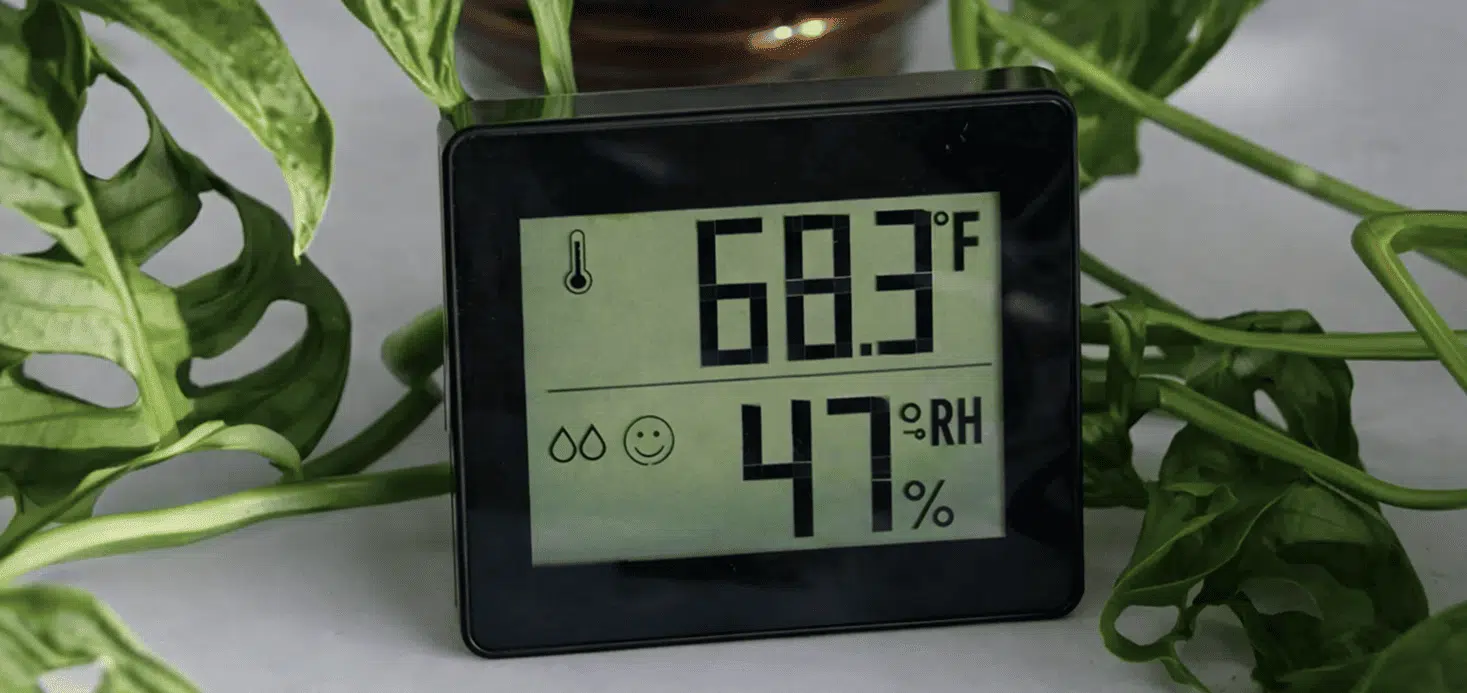
Ohio Ideal Conditions
- Temperature: 68°–72°F
- Humidity: 45–48%
- Acceptable Humidity Range: 35–55%
Why Temperature and Humidity Matter
Hardwood responds to temperature and humidity. Not only before installation, but also as the seasons change.
Managing temperature and humidity in your home year-round is a normal part of
hardwood floor maintenance.
Because wood absorbs and releases moisture from the air, as that moisture changes, wood expands and contracts.
That’s why you have to maintain the range to keep humidity and moisture in check.
For a more technical guide on acclimation, learn how to acclimate your floors like a pro.
What happens when you don’t manage the temperature and humidity?
When you don’t properly manage your indoor environment, you will likely see gaps, cupping, and buckling.
This can happen when…
- you install hardwood flooring before it adjusts to your home’s environment
- you allow the conditions in your home to swing too far after installation
Spring
In the spring, it’s time to clean your floor and inspect planks for any damage.
- Professional-grade cleaning: Use a soft-bristle broom or vacuum, followed by a microfiber mop and a proven hardwood floor cleaner. Learn specific solid and engineered hardwood floor maintenance tips.
- Move rugs and furniture: Rotating rugs allows your floor to receive even light and helps prevent fading.
- Check for signs of wear or minor damage: Look for scratches, dents, and loose boards. You can handle many small fixes yourself with the right kit. Learn about the best repair kits.

Summer
With summer’s brighter days and warmer air, humidity levels tend to rise, so you will need to manage the temperature and humidity, and limit sunlight to keep your floors performing their best.
- Manage humidity: Use an air conditioner or a dehumidifier to keep your floors at 35-55% relative humidity. In Ohio, 45-48% is ideal.
- Limit sunlight: Close curtains or blinds during the brightest parts of the day to prevent fading and discoloration. Learn how to protect your floors from fading.

Fall
As autumn arrives, it’s time to prepare for the coming winter. Cooler air causes wood to contract, which can create temporary gaps between planks.
- Manage humidity: As the temperatures drop, indoor air dries out. Maintain humidity to reduce wood movement.
- Check entry mats & rugs: Replace or clean mats before you have to deal with wet leaves, mud, and salt getting tracked inside.
- Limit sunlight: Lower sun angles can create stronger, more direct light on your floors.
- Inspect gaps: You might start noticing small gaps. This is normal and typically seasonal.

Winter
Winter weather can be especially tough on hardwood floors. Cold temperatures and constant heating dry out the air, which can increase wood movement.
- Manage humidity: Your heating system will dry indoor air quickly. Maintain humidity levels to prevent shrinking and cracking.
- Remove salt and moisture: Snow, ice, and salt can dull finishes and scratch your finish. Clean debris and residue promptly so it doesn’t get worn into the finish.
- Monitor gaps: Gaps might widen during winter because of the dry air. This is normal and usually temporary.

Ohio Winter Reality Check
Ohio winters can be both beautiful and brutal. Either way, they remind us how dramatically conditions change outside.
During a recent winter storm, our Sales Manager Adrienne noticed that the humidity in her home had fallen to 25%.
That can happen when your heat runs constantly.
What do you do if this happens? Adrienne boiled water on the stove and was able to increase the humidity to 32%, which helped slow how quickly moisture was being pulled from the wood.
Getting Your Home Environment Ready to Install Hardwood
Installing hardwood before it’s acclimated is the #1 cause of floor failure.
Before hardwood flooring can acclimate or be tested for moisture, you need to get your home environment ready.
Here’s how you know you have done the work:
- the home is fully enclosed
- heating or cooling is running
- all wet work (paint, drywall, plaster, concrete) is complete
- conditions reflect how the home will normally be lived in
Moisture readings taken before this point aren’t reliable.
Acclimation Time
Solid hardwood flooring should be in your home under live-in conditions for 5-14 days, depending on the wood species and jobsite conditions.
Time alone doesn’t determine readiness. The moisture content does.
How to be Sure Your Floor is Ready to Install
You can confirm proper acclimation by checking the moisture content of the hardwood flooring and the subfloor.
You will need a moisture meter (Moisture meters can be rented at Panel Town & Floors for $35/day.)
Acceptable Moisture Differences
- 2-1/4″ wide flooring: within 4%
- plank flooring (3″ or wider): within 2%
If readings fall outside these ranges, the flooring needs more time to acclimate. Or you must adjust the environment inside your home.
Required Conditions for Installation
At the time of installation, your home should be maintained at:
- Temperature: 68°–78°F
- Relative humidity: 35–55%
Ohio Recommendations
Because of seasonal extremes in Ohio, we recommend:
- 68°–72°F
- 45–48% relative humidity
These conditions help minimize seasonal movement and keep the floor stable year-round.
A Simple Checklist
Here’s a simple step-by-step checklist you can follow.
1. Set the Home Environment
Thermostat: 68°–72°F
Humidity: 45-48%
HVAC Running
All wet work complete
Take a baseline measurement of flooring and subfloor moisture content.
2. Bring the Flooring Inside
Open boxes at the long ends.
Cross-stack the boxes of flooring, leaving room between them to promote air flow.
Keep stacks off the subfloor.
Allow 5—14 days.
3. Measure Moisture
Test flooring and the subfloor.
Stay within 4% (narrow) or 2% (wide planks).
4. Ready to Install When Guidelines Met
If you don’t meet the guidelines, make adjustments to the environment, give it more time, and re-test.
5. Maintain Conditions After Installation
Make sure to maintain your home’s environment after you have your floor installed.
Summary
Seasonal changes, especially in Ohio where winter is cold and summer is humid, mean you have to maintain your home environment for your floors to look and perform their best.
First, make sure to set the right conditions in your home and verify moisture content before installation.
After your floor is installed, maintain the environment according to the guidelines.
If you control the environment, hardwood flooring will do what it’s supposed to—and last a lifetime.


